
A gushing pipe or an overflowing toilet can send anyone into a panic. Before you grab every towel, take one deep breath. You can take control by following a simple, three-part plan: stop the water, contain the damage, and know who to call. This framework is the difference between a small cleanup and a costly repair, and you don’t need any special tools—just the knowledge of what to do first.
How to Find and Use Your Main Water Shut-Off Valve
In a major emergency like a burst pipe, the main water shut-off valve gives you total control. Closing this one valve is the most powerful temporary fix, stopping water damage in its tracks while you figure out your next move.
Start your search in the basement, garage, or a utility closet, typically on an exterior wall where the main water line enters your home. Look for a large pipe emerging from the foundation, usually near your home’s water meter.
You’ll likely see one of two types. The first is a wheel valve, which looks like a small, round spigot handle. The second, and increasingly common, is a lever valve—a straight handle that lies parallel to the pipe when the water is on.
To turn off the water, turn a wheel valve clockwise (to the right) until it stops. For a lever valve, give it a single quarter-turn so the handle is perpendicular to the pipe, forming a “T” shape. This position acts like a roadblock, immediately stopping all water flow.
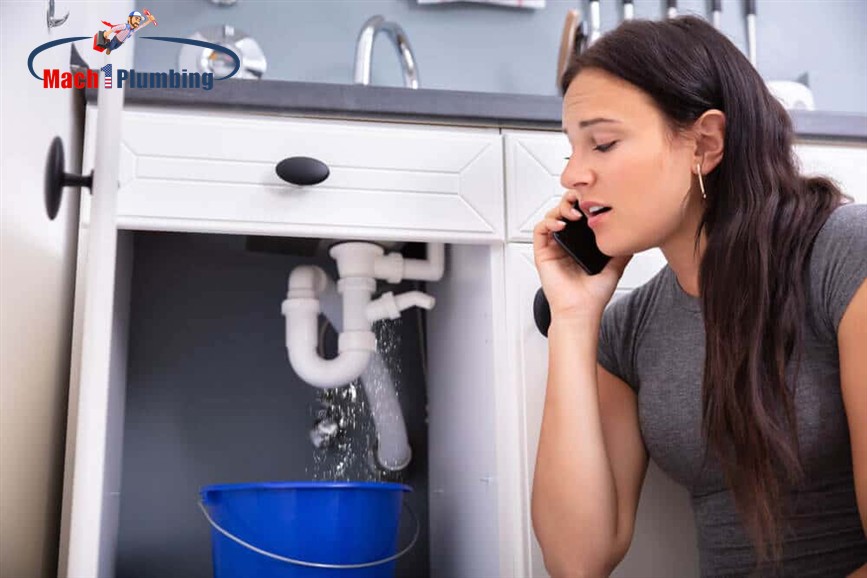
Is It Just One Fixture? How to Stop a Local Leak at the Source
Shutting down all the water to your home is effective, but for a problem contained to one spot—like an overflowing toilet or a dripping sink faucet—it’s often overkill. Most modern fixtures have their own personal shut-off valve, which lets you stop a single leak without turning your home into a temporary desert.
For a toilet or sink, this valve is almost always in plain sight. Look in the cabinet underneath a sink, or on the wall behind the toilet near the floor. You will see a small pipe or flexible metal hose coming from the wall; on it, there will be a small, typically oval-shaped knob. This is the fixture shut-off valve. Simply turn this knob clockwise until it stops to cut the water supply to that fixture only.
This local shut-off is your best first move for supply line leaks, but it has its limits. It won’t help with unclogging a completely blocked drain, as that’s a drainage issue. Similarly, leaking water heater emergency steps involve a separate, dedicated valve on the heater itself.
You’ve Stopped the Water—Here’s What to Do Next
With the water halted, your top priority is electrical safety. Water and electricity are a lethal mix, so if water has pooled near outlets or appliances, do not touch them. For a significant spill, go to your home’s breaker box and shut off power to the affected area. This non-negotiable action prevents a far more dangerous situation.
Now you can focus on cleanup. Grab old towels, mops, or a wet/dry vacuum to soak up standing water and stop it from spreading. Moving any furniture, rugs, or electronics out of the wet zone is one of the most important things to do before a plumber arrives, as it directly minimizes your potential losses.
Before you finish, pull out your phone. Take clear photos and videos of both the source of the leak and the full extent of the damage. This quick documentation is crucial evidence if you need to file an insurance claim later.
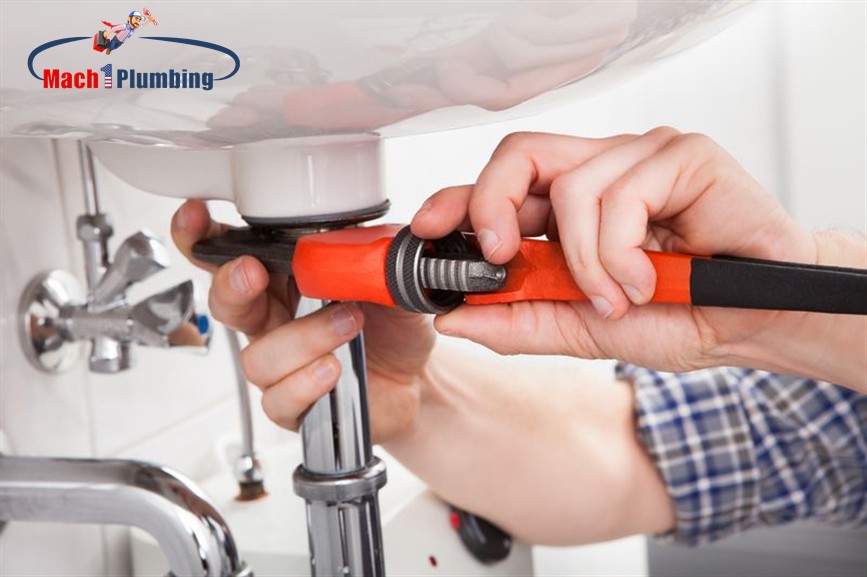
When You MUST Call an Emergency Plumber: A No-Regrets Checklist
Some plumbing issues are genuine emergencies that are unsafe to handle yourself. While you might be tempted to wait, knowing exactly when to call an emergency plumber like Mach 1 prevents a small problem from turning into a catastrophe. Calling a professional is the only safe option if you encounter any of these red flags:
- You cannot find or shut off the main water valve.
- You see spreading water stains—classic signs of a hidden water leak inside walls or ceilings.
- You smell gas. If you suspect a gas line leak, evacuate the house first, then call for help.
- The problem is a sewage backup in your basement or another drain.
- The leak is near your home’s electrical panel.
These scenarios pose serious risks of structural damage, fire, or health hazards from contaminated water.
How to Get Help Fast: What to Tell the Plumber on the Phone
Once you have a professional on the line, being clear and concise will get you help faster. State your exact location, describe the problem simply (e.g., “water is spraying from a pipe under my kitchen sink”), and—most importantly—tell them whether you have successfully shut the water off.
Providing these details helps the dispatcher understand the severity of your situation and allows the plumber to prepare for a repair, not a frantic search for the main valve. Be prepared for the higher average cost of an emergency plumbing call; you are paying for immediate service.
While waiting, clear the work area of any obstructions to help the plumber get started faster.
From Emergency to Ready: Your Prevention Plan
You no longer need to feel helpless in a plumbing crisis. Where there was once panic, there is now a plan. To build on this readiness, create a simple DIY plumbing emergency kit with a flashlight, sturdy gloves, and duct tape for temporary drips. Put key frozen pipe prevention tips into action by unscrewing garden hoses before the first frost. Most importantly, find and save a trusted emergency plumber contact like Mach 1 in your phone today—before you ever need it.
This preparation builds the lasting confidence that comes from knowing you have the power to protect your home.